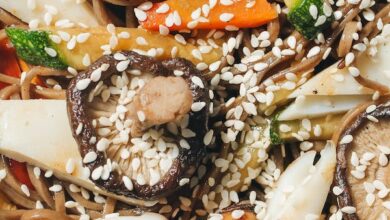
Different Types of Calories: Simple Vs Complex Calories are units of energy that our bodies use to fuel daily activities and maintain overall health. While all calories provide energy, there are different types of calories that can have a significant impact on our health. The two main types of calories are simple and complex. Understanding the differences between simple and complex calories can help you make informed choices about the foods you eat and support your overall health and well-being.
Simple calories are often referred to as “empty calories” because they provide energy but are low in nutrients. Simple calories are often found in sugary and high-fat foods such as candy, soda, and processed snacks. These foods are quickly absorbed by the body, leading to spikes in blood sugar levels that can cause feelings of hunger and lead to overeating.
Complex Calories with Essential Vitamins:
Complex calories, on the other hand, are often referred to as “nutrient-dense” because they provide energy along with essential vitamins, minerals, and fibre. so, Complex calories are found in foods such as whole grains, fruits, vegetables, and lean proteins. These foods are slowly absorbed by the body, providing a steady supply of energy and helping you feel full and satisfied for longer periods of time.
Incorporating complex calories into your diet is essential for maintaining good health. Whole grains, for example, are a good source of fibre and provide sustained energy. Fibre helps regulate digestion, promotes feelings of fullness, and may reduce the risk of heart disease, stroke, and type 2 diabetes.
High Fibre Help you Feel Satisfied:
Fruits and vegetables are also excellent sources of complex calories. These foods are high in fibre, vitamins, and minerals, and can help you feel full and satisfied, reducing the risk of overeating. In addition, research suggests that diets high in fruits and vegetables may reduce the risk of heart disease, certain types of cancer, and other chronic conditions.
Lean proteins, such as poultry, fish, and legumes, are also an important source of complex calories. Protein is essential for building and repairing tissues and maintaining muscle mass. Eating a diet high in lean proteins can also help you feel full and satisfied, reducing the risk of overeating.
In contrast to complex calories, simple calories should be limited in the diet. Foods high in sugar and saturated fat, such as candy, baked goods, and fried foods, can contribute to weight gain, increased risk of heart disease, and other chronic conditions.
Conclusion:
understanding the difference between simple and complex calories is essential for maintaining good health and promoting overall well-being. While all calories provide energy, complex calories provide essential vitamins, minerals, and fibre, while simple calories are often lacking in nutrients. Incorporating complex calories into your diet through whole grains, fruits and vegetables, and lean proteins can help you maintain good health and reduce the risk of chronic conditions while limiting your intake of simple calories can help you avoid overeating and promote a healthy weight.